
Dress Shirt Size Guide: A Comprehensive Overview (Updated 12/16/2025)
DETERMINANT’s 61 sizes campaign highlights the importance of fit, showcasing wrinkle-free dress shirts on 61 diverse individuals, proving a perfect fit exists for everyone.
Understanding Dress Shirt Measurements
Accurate dress shirt sizing relies on key measurements – neck, sleeve length, chest, shoulder width, and body length – ensuring a comfortable and flattering fit. These measurements move beyond simple Small, Medium, and Large designations.
A well-fitting shirt enhances your appearance and allows for a full range of motion. Ignoring these details can lead to shirts that are too tight, restricting movement, or too loose, appearing sloppy.
Modern brands, like DETERMINANT, are recognizing the need for more granular sizing, offering up to 61 sizes to accommodate diverse body types and preferences, moving beyond traditional constraints.
Why Accurate Sizing Matters
Properly sized dress shirts are foundational to a polished appearance, conveying confidence and attention to detail. A well-fitted shirt complements your physique, enhancing your overall style. Ill-fitting shirts, conversely, can detract from even the most expensive suits.
Beyond aesthetics, accurate sizing ensures comfort throughout the day, allowing for unrestricted movement. Brands like DETERMINANT emphasize this, offering a wider range of sizes – their 61 sizes campaign – to prioritize both fit and comfort for diverse body types.
Investing in correctly sized shirts ultimately saves money, reducing the need for costly alterations or replacements.
Neck Size: The Foundation of Fit
Neck size is paramount when selecting a dress shirt, as it dictates collar comfort and overall fit. An incorrectly sized neck can lead to discomfort, restrict movement, and ruin the shirt’s appearance. It’s the starting point for achieving a tailored look.
Accurate measurement is crucial; a too-tight collar feels constricting, while a too-loose one appears sloppy. DETERMINANT’s extensive size range acknowledges the variations in neck sizes, ensuring a comfortable and flattering fit for every customer.

Prioritizing neck size ensures the rest of the shirt will fall correctly, contributing to a polished silhouette.
How to Measure Your Neck
Accurate neck measurement requires a flexible measuring tape. Ensure your shoulders are relaxed and down, and stand straight. Position the tape around the base of your neck, where the collar naturally sits – typically about an inch below the Adam’s apple.
Keep the tape level and snug, but not tight. You should be able to comfortably slide a finger between the tape and your neck. Avoid pulling the tape too tightly, as this will result in an undersized measurement.
Record the measurement in inches, rounding to the nearest half inch. Repeat the process to confirm accuracy.
Standard Neck Sizes & Their Equivalents
Common neck sizes generally range from 14 inches to 18 inches, increasing in half-inch increments. A 14-inch neck typically corresponds to a shirt size of 14.5, while 15 inches equates to 15.5, and so on.
It’s crucial to remember that these are standard sizes, and variations can occur between brands. Some manufacturers may label sizes differently, so always consult the specific brand’s size chart.

Understanding these equivalents is vital for online shopping or when purchasing shirts without trying them on. A properly fitted collar should allow comfortable buttoning without feeling restrictive.
Sleeve Length: Achieving the Perfect Cuff
Proper sleeve length is paramount for a polished appearance. The goal is to have approximately ½ to ¾ of an inch of shirt cuff visible beyond your jacket sleeve. This subtle detail elevates your overall style.
Sleeve length is measured from the center back of the neck, over the shoulder, and down to the wrist. Accurate measurement ensures a comfortable and proportionate fit, avoiding sleeves that are too short or excessively long.
Variations like short, regular, and long sleeves cater to different arm lengths, offering a wider range of options for a tailored look. Consider your body proportions when selecting the appropriate sleeve length.
Measuring Your Sleeve Length
How to Measure Your Sleeve Length
To accurately measure your sleeve length, you’ll need a flexible measuring tape and assistance is recommended for precision. Start at the center back of your neck, running the tape over the shoulder point – where the shoulder seam would naturally fall.

Extend the tape down the outside of your arm, keeping it slightly bent, to your wrist bone. This measurement determines your raw sleeve length. Remember to round up to the nearest half-inch for a comfortable fit.
Ensure the tape is taut but not constricting. Repeating the measurement a couple of times can help confirm accuracy. This crucial step ensures the perfect cuff exposure.
Sleeve Length Variations (Short, Regular, Long)

Sleeve length options typically fall into three categories: short, regular, and long, catering to diverse arm lengths. A ‘short’ sleeve is ideal for individuals with arms shorter than average, preventing excessive bunching.
‘Regular’ sleeves suit most body types, offering a balanced proportion. ‘Long’ sleeves are designed for those with longer arms, ensuring sufficient coverage and a polished look. Proper sleeve length allows approximately ½ inch of shirt cuff to extend beyond the jacket sleeve.
Consider your build and typical jacket style when selecting sleeve length. A well-fitted sleeve enhances overall appearance and comfort.
Chest Size: Ensuring Comfort and Range of Motion
Accurate chest measurement is crucial for a comfortable and flattering fit. Measure around the fullest part of your chest, keeping the tape measure level and relaxed – don’t pull it too tight. This measurement dictates the shirt’s width across the back and shoulders.
Chest size directly influences the overall shirt fit, impacting styles like slim, classic, or relaxed. A slim fit offers a tailored silhouette, while a classic fit provides more room. A relaxed fit prioritizes comfort and ease of movement.
Ensure sufficient room for movement without feeling constricted.
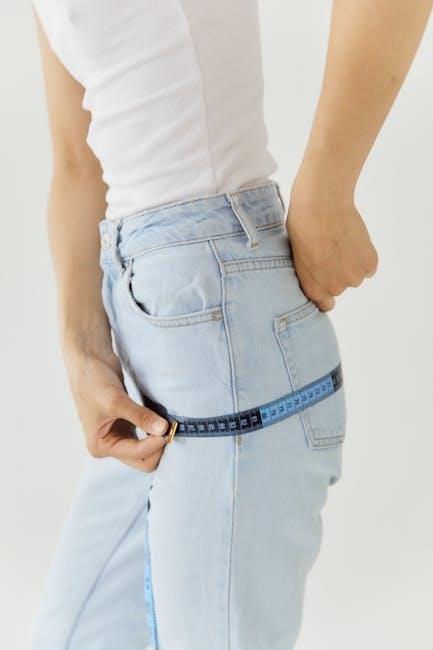
Measuring Your Chest
To accurately measure your chest, you’ll need a flexible measuring tape. Stand upright and relax your shoulders. Position the tape measure under your arms, ensuring it’s level all the way around your body.
The tape should sit across the fullest part of your chest, typically across the nipples. Don’t pull the tape too tightly; it should be snug but comfortable. Exhale normally while taking the measurement.
Record the measurement in inches or centimeters. Repeat the measurement to confirm accuracy. This chest circumference is a fundamental element for determining your correct dress shirt size.
Chest Size and Shirt Fit (Slim, Classic, Relaxed)
Your chest size significantly impacts how a dress shirt fits. A slim fit shirt, designed for a modern silhouette, requires a chest measurement close to your natural size, offering a tailored look with minimal excess fabric.
A classic fit provides more room through the chest and body, accommodating broader builds comfortably. Add 2-4 inches to your chest measurement for a relaxed, yet polished appearance.
Relaxed fit shirts offer the most generous cut, ideal for those prioritizing comfort and ease of movement. Adding 4-6 inches to your chest measurement ensures a comfortable, non-restrictive fit. Consider your body type and desired style when selecting a fit.
Shoulder Width: A Key Factor for a Tailored Look
Accurate shoulder width measurement is crucial for a well-fitted dress shirt, impacting how the shirt drapes and feels. Measure across your back, from the outermost point of one shoulder to the other. This determines where the shirt’s shoulder seams fall – ideally, they should align with the edge of your shoulders.
A shirt with the correct shoulder width prevents pulling or bunching, contributing to a cleaner silhouette. Incorrect shoulder fit can ruin even the best fabric and style. Prioritize this measurement for a truly tailored appearance and enhanced comfort.
Determining Your Shoulder Width
To accurately measure your shoulder width, you’ll need a flexible measuring tape and ideally, assistance. Stand naturally with your arms relaxed at your sides. Have someone measure across your back, from the outer edge of one shoulder (where a shirt seam would sit) to the outer edge of the other.
Ensure the tape measure is straight and doesn’t dip down your back. Avoid hunching or pulling your shoulders back, as this will distort the measurement. Record the measurement in inches or centimeters. This single number is vital for achieving a tailored fit and avoiding awkward bunching or tightness.
Body Length: Avoiding Gaps and Bunching
Measuring body length ensures your shirt provides adequate coverage without excess fabric. Start at the center back of the neck and measure straight down to your desired shirt hem length. A common stopping point is just below the waistband of your trousers, allowing for comfortable tucking.
Consider your torso length – some individuals require a ‘long’ body length for sufficient coverage. Incorrect body length leads to gaps when raising your arms or unsightly bunching. Accurate measurement prevents these issues, contributing to a polished and professional appearance. Prioritize comfort and proportion when selecting your ideal length.
Measuring Body Length
To accurately measure body length, you’ll need a flexible measuring tape and assistance is helpful for precision. Begin at the most prominent vertebra at the base of your neck. Measure down your back, following the natural curve of your spine, to the point where you prefer your shirt to end – typically around your hips.
Ensure the tape measure remains straight and doesn’t ride up your back. Note the measurement in inches or centimeters. Repeat the process a couple of times to confirm accuracy. This measurement is crucial for avoiding shirts that are too short, revealing your back, or too long, appearing sloppy.
Shirt Fit Styles: Exploring Your Options
Understanding different shirt fit styles is key to finding a flattering look. Slim fit shirts are tailored close to the body, offering a modern, streamlined silhouette – ideal for leaner builds. Classic fit shirts provide a traditional, comfortable fit with more room through the chest and waist, suiting most body types.
Relaxed fit shirts offer the most generous cut, prioritizing comfort and ease of movement. They’re perfect for a more casual appearance or those preferring a looser feel. Consider your body shape and personal preference when selecting a fit; a well-chosen fit enhances your overall style.

Slim Fit Shirts
Slim fit dress shirts are designed with a close-to-the-body silhouette, creating a modern and streamlined appearance. These shirts typically feature a tapered waist and narrower sleeves, emphasizing a more athletic build. They’re ideal for men with leaner physiques, offering a sharp, contemporary style.
However, slim fit shirts can feel restrictive if you have a broader chest or shoulders. Ensure adequate range of motion and comfort when trying them on. Pair slim fit shirts with tailored trousers or chinos for a polished, sophisticated look. Consider the fabric; stretch fabrics enhance comfort in a slim fit.
Classic Fit Shirts
Classic fit dress shirts represent a timeless and versatile style, offering a comfortable and relaxed silhouette. These shirts provide a generous cut through the chest, waist, and sleeves, ensuring ample room for movement. They are a suitable choice for most body types, providing a balanced and proportionate look.
Unlike slim fit options, classic fit shirts don’t cling to the body, making them ideal for all-day wear. They pair well with various trousers, from dress pants to khakis. A classic fit is a dependable wardrobe staple, offering a polished yet approachable aesthetic. Consider this a foundational piece for any man’s closet.
Relaxed Fit Shirts
Relaxed fit dress shirts prioritize comfort above all else, offering the most generous cut of the three primary fits. These shirts feature a looser silhouette throughout the body, providing maximum freedom of movement and a casual yet put-together appearance. They are an excellent option for those who prefer a less structured look or have a larger build.
Often chosen for their ease of wear, relaxed fit shirts are ideal for warmer weather or more informal settings. While less tailored than slim or classic fits, they still maintain a polished aesthetic when paired with appropriate trousers. This style is perfect for a comfortable, everyday look.
Brand-Specific Sizing Variations
Navigating dress shirt sizing can be tricky, as standards aren’t universally applied across all brands. Each manufacturer may interpret size charts slightly differently, leading to variations in fit even when purchasing the same labeled size. Some brands run smaller or larger than others, influenced by their target demographic and design aesthetic.
Therefore, it’s crucial to consult each brand’s specific size chart before making a purchase, rather than relying on your usual size. Reading customer reviews can also provide valuable insights into how a particular brand’s shirts typically fit. Consider this when ordering online, and be prepared for potential returns or exchanges.
International Size Conversions
When purchasing dress shirts from international retailers, understanding size conversions is essential. US sizes differ from those used in the UK and Europe, primarily in neck and sleeve measurements. A US size 15.5-inch neck, for example, typically translates to a UK size 15.5 and a European size 39.
However, these are approximate conversions, and variations can occur. Always refer to a detailed conversion chart provided by the retailer. Sleeve length conversions also require attention, as systems differ. Accurate measurements are key to avoiding ill-fitting shirts when shopping globally, ensuring a comfortable and stylish outcome.
US to UK Dress Shirt Sizes
Converting US dress shirt sizes to UK sizes is generally straightforward, but slight discrepancies can occur between brands. Most US neck sizes directly correlate with UK sizes – a US 14.5-inch neck typically equates to a UK 14.5-inch neck. However, always double-check the specific retailer’s chart.
Sleeve length conversions are also relatively simple, often mirroring the inch measurement. For instance, a 34-inch sleeve in the US is usually a 34-inch sleeve in the UK. It’s crucial to prioritize accurate self-measurement and consult the brand’s size guide for the most reliable fit, avoiding potential returns.
US to European Dress Shirt Sizes
Translating US dress shirt sizes to European standards requires a bit more attention to detail, as the European system often utilizes centimeters instead of inches. A US neck size of 15 inches, for example, generally corresponds to a European size of 38cm. Sleeve lengths also convert, with 34 inches typically equaling 86cm.
However, European sizing can vary slightly between countries (Italy, France, Germany). Always refer to the specific brand’s size chart, as they may adjust measurements. Prioritizing accurate self-measurement in inches and then converting to centimeters using a reliable tool ensures a better fit and reduces the risk of incorrect sizing.

Dealing with Size Discrepancies
Encountering inconsistent sizing is common, even with careful measurements, due to variations between manufacturers and fabric types. If a shirt feels too tight or loose, don’t automatically assume it’s the wrong size; consider the shirt’s intended fit (slim, classic, relaxed).
Prioritize checking the brand’s specific size chart before ordering. If discrepancies persist, professional alterations are often the best solution. A tailor can adjust the shirt for a perfect fit, focusing on the neck, sleeves, and body. Don’t hesitate to utilize return policies when possible, but alterations offer a customized, long-term solution.
The Importance of Collar Style and Neck Size
Your neck size is foundational, but collar style significantly impacts comfort and appearance. Button-down collars offer a more casual, versatile look, while spread collars accommodate wider tie knots and project a more formal aesthetic.
Ensure sufficient space between your neck and the collar when buttoned – typically about half an inch. A too-tight collar restricts movement and looks unflattering. Consider your face shape; wider spread collars suit broader faces, while narrower collars complement slimmer features. Proper collar fit enhances overall shirt presentation and comfort.
Button-Down Collars
Button-down collars are a classic choice, characterized by buttons that secure the collar points to the shirt. This creates a more relaxed and casual appearance, making them suitable for both formal and informal settings. They’re incredibly versatile, pairing well with ties or worn open for a more laid-back style.
These collars generally work well with most face shapes and tie knots. They’re particularly good for men who prefer a neater, more contained look. Button-down collars are a staple in any well-rounded wardrobe, offering a timeless aesthetic and comfortable fit.

Spread Collars
Spread collars feature wider spaces between the collar points, creating a more open and modern look. This style is designed to accommodate larger tie knots, such as a Full Windsor or Half Windsor, providing ample space and visual balance. They project confidence and sophistication, making them ideal for business and formal occasions.
The wider spread also complements broader face shapes, creating a harmonious proportion. Spread collars often convey a sense of style and attention to detail, elevating the overall appearance. Choosing the right spread collar can significantly enhance your professional image and personal style.
Understanding Wrinkle-Free & Stretch Fabrics
Wrinkle-free fabrics, often utilizing special finishes or fiber blends, minimize creasing, offering a polished appearance with reduced ironing. These shirts are perfect for travel or busy lifestyles, maintaining a neat look throughout the day. DETERMINANT champions wrinkle-free technology in their 61-size range, ensuring comfort and style.
Stretch fabrics, incorporating elastane or spandex, provide enhanced comfort and range of motion. This allows for a closer fit without restricting movement, ideal for active individuals. Combining wrinkle-free and stretch properties delivers the ultimate in convenience and wearability, offering both style and practicality.
Online Size Charts: A Helpful Resource
Online size charts are invaluable tools when purchasing dress shirts, especially without trying them on. Reputable retailers provide detailed measurements for neck, sleeve length, chest, and shoulder width, aiding in selecting the correct size. DETERMINANT’s commitment to fit is reflected in their comprehensive size guide, supporting their 61-size offering.
However, remember that sizing can vary between brands. Always consult the specific chart for each retailer. Comparing your measurements to the chart is crucial for minimizing returns and ensuring a comfortable, well-fitting shirt. Utilize these resources to confidently navigate online shopping and find your perfect fit.
Professional Alterations: The Final Touch
Even with careful measurements and size chart consultations, a perfectly fitting dress shirt sometimes requires professional alterations. A skilled tailor can fine-tune the fit, adjusting sleeve length, waist suppression, and shoulder seams for a truly customized look. DETERMINANT’s campaign emphasizes the importance of a precise fit, which alterations can help achieve.
Consider alterations for shirts that are close in size but not quite perfect. Small adjustments can dramatically improve comfort and appearance. Investing in alterations ensures your dress shirts look polished and professional, reflecting attention to detail and a commitment to style. It’s the ultimate step towards a flawless fit.
Size Guides for Different Body Types
Standard size charts often don’t account for diverse body types. Men with athletic builds may need shirts with extra room in the shoulders and chest, while those with broader builds require adjustments for overall comfort. DETERMINANT’s 61 sizes campaign acknowledges this, showcasing shirts on individuals with varying physiques.
Consider your unique shape when selecting a shirt; If you have a larger neck and smaller chest, you might need to size up for the neck and then tailor the body. Understanding your body type allows for a more informed purchase, leading to a better fit and increased confidence.
The 61 Sizes Approach (DETERMINANT example)
DETERMINANT revolutionized dress shirt sizing with their innovative “61 Sizes” campaign. Recognizing that standard sizing leaves many men underserved, they created a system offering 61 distinct sizes, catering to a wider range of body types and builds. This approach involved fitting 61 individuals from diverse backgrounds in their wrinkle-free dress shirts.
The campaign highlighted the importance of precise measurements and a tailored fit. By offering such granular sizing options, DETERMINANT aims to eliminate the frustration of ill-fitting shirts and provide a comfortable, stylish experience for every customer. It’s a commitment to inclusivity and superior fit.