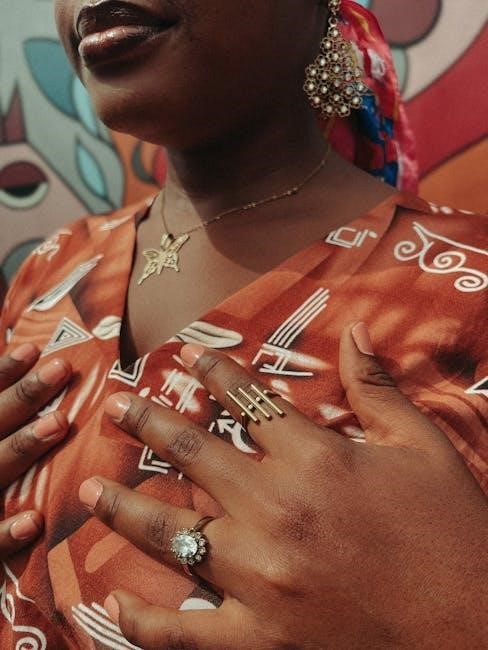
Adinkra symbols‚ originating from Ghana‚ are visually striking representations of concepts‚ proverbs‚ and historical events‚ often documented in PDF guides.
These potent emblems‚ deeply rooted in Akan culture‚ serve as a unique form of visual communication and philosophical expression‚ readily available for study.
Historical Origins of Adinkra
Adinkra’s origins trace back to the Akan people of Ghana‚ specifically the Ashanti and Fante groups‚ evolving over centuries. Initially‚ these symbols were imprinted on calabash gourds and used for adornment‚ particularly by royalty.
The practice of stamping these designs onto cloth emerged later‚ becoming associated with funerals and mourning rituals. Adinkra cloth‚ dyed in dark shades‚ was worn during these ceremonies‚ signifying grief and respect for the deceased.
Over time‚ the symbols transcended their funerary context‚ becoming integrated into everyday life‚ adorning textiles‚ pottery‚ and even buildings. The meanings embedded within each symbol – often linked to proverbs – were passed down through generations‚ preserved in oral tradition and‚ increasingly‚ documented in accessible resources like Adinkra symbol dictionaries and PDF guides.
These PDF resources detail how the symbols evolved from simple decorative motifs to a complex system of visual communication‚ reflecting the Akan worldview and philosophical beliefs.
The Akan People and Their Culture
The Akan people‚ residing primarily in Ghana‚ are renowned for their rich cultural heritage‚ deeply intertwined with the symbolism of Adinkra. Their society is traditionally matrilineal‚ with strong emphasis on community‚ respect for elders‚ and ancestral veneration. This cultural framework profoundly influences the meanings attributed to each Adinkra symbol.
Proverbs‚ known as ‘tuntum’‚ are central to Akan communication‚ and each Adinkra symbol visually embodies a specific proverb or concept. This connection highlights the Akan’s sophisticated approach to knowledge transmission and philosophical expression.
Understanding the Akan worldview is crucial to deciphering the nuances of Adinkra symbolism. Many PDF resources dedicated to Adinkra symbols and meanings emphasize this cultural context‚ providing insights into the values and beliefs that underpin these visual representations.
The Akan artistic traditions‚ including weaving‚ pottery‚ and woodcarving‚ showcase the integration of Adinkra motifs‚ demonstrating their pervasive influence on daily life and artistic expression.

Core Concepts of Adinkra Symbolism
Adinkra symbolism functions as a visual language‚ communicating wisdom and proverbs; detailed PDF guides explore these concepts‚ revealing their philosophical depth and cultural significance.
Adinkra as a Visual Language
Adinkra symbols transcend mere decoration‚ functioning as a sophisticated system of visual communication developed by the Akan people of Ghana. Each symbol embodies a specific concept‚ proverb‚ or historical event‚ allowing for nuanced expression without relying on written or spoken words. This visual lexicon is meticulously documented in numerous resources‚ including comprehensive PDF guides dedicated to unraveling their meanings.
These symbols aren’t simply pictorial representations; they are ideograms‚ conveying complex ideas through their form and structure. Understanding Adinkra requires interpreting the symbolism embedded within each design‚ a process often aided by accompanying proverbs. The availability of detailed PDF resources significantly enhances this understanding‚ providing translations‚ contextual explanations‚ and historical background.
The power of Adinkra lies in its accessibility and universality. While rooted in Akan culture‚ the symbols resonate with broader human experiences‚ making them increasingly popular in art‚ design‚ and education worldwide. Studying these symbols‚ often through readily available PDF materials‚ offers a unique window into a rich cultural heritage and a profound philosophical system.
The Relationship Between Symbols and Proverbs
A cornerstone of Adinkra symbolism is its inextricable link to Akan proverbs. Each symbol isn’t merely a visual element; it’s a visual representation of a deeper philosophical truth encapsulated within a traditional saying. This connection elevates Adinkra beyond simple iconography‚ transforming it into a powerful medium for conveying wisdom and cultural values. Detailed PDF guides often present symbols alongside their corresponding proverbs‚ illuminating their intended meaning.
The proverb provides context and nuance‚ enriching the interpretation of the symbol. It’s through this interplay that the full significance of Adinkra is revealed. Studying these pairings‚ readily accessible in PDF format‚ allows for a deeper appreciation of Akan thought and worldview. The symbols act as mnemonic devices‚ prompting recall of the associated proverb and its underlying message.
This symbiotic relationship ensures the preservation of oral traditions and cultural knowledge. PDF resources dedicated to Adinkra symbols and meanings actively promote this understanding‚ making this rich heritage accessible to a global audience.

Key Adinkra Symbols and Their Meanings
Adinkra symbols‚ detailed in numerous PDF guides‚ each carry profound meanings – from leadership (Adinkrahene) to compassion (Akoma)‚ offering cultural insight.
Adinkrahene – Greatness and Leadership
Adinkrahene‚ often translated as “chief of adinkra symbols‚” is a powerful emblem representing greatness‚ charisma‚ and leadership. Detailed explanations and visual representations of this symbol are readily available in PDF resources dedicated to Adinkra symbolism.
This symbol isn’t merely decorative; it embodies the qualities expected of a strong and effective leader within Akan society. It signifies authority‚ power‚ and the ability to inspire others. The complex design itself reflects the multifaceted nature of true leadership – encompassing wisdom‚ responsibility‚ and a commitment to the well-being of the community.
Studying Adinkrahene through PDF guides reveals its historical context and its continued relevance in modern Ghana. It’s frequently used to honor individuals who demonstrate exceptional leadership qualities‚ serving as a visual reminder of the ideals to which leaders should aspire. The symbol’s prominence highlights the Akan people’s deep respect for strong and benevolent governance.
Its presence in art and design further reinforces its message of authority and distinction.
Akoko Nan – Mercy and Nurturing
Akoko Nan‚ meaning “the leg of a hen‚” is a poignant Adinkra symbol embodying mercy and nurturing. Comprehensive interpretations‚ including detailed imagery‚ can be found within dedicated PDF guides on Adinkra symbolism. This symbol draws inspiration from the hen’s protective nature‚ shielding her chicks under her wings.
It represents the importance of compassion‚ empathy‚ and the willingness to care for others‚ particularly those in need. Akoko Nan serves as a visual reminder of the maternal instinct and the unconditional love that fosters growth and well-being. The symbol encourages individuals to extend kindness and understanding to those around them.
Exploring Akoko Nan through PDF resources reveals its cultural significance within Akan traditions. It’s often invoked to express gratitude for acts of kindness and to promote harmonious relationships. The symbol’s gentle imagery conveys a message of peace‚ protection‚ and the enduring power of maternal care‚ resonating deeply within the community.
It’s a beautiful representation of selfless devotion.
Akoma – The Heart (Love‚ Compassion)
Akoma‚ simply translating to “the heart‚” is a profoundly significant Adinkra symbol representing love‚ compassion‚ and goodwill. Detailed visual representations and interpretations are readily available in numerous PDF guides dedicated to Adinkra symbolism. This symbol isn’t merely anatomical; it embodies the emotional and spiritual core of human existence.
Akoma signifies patience‚ kindness‚ and the importance of fostering strong interpersonal relationships. It encourages empathy and understanding‚ reminding individuals to approach interactions with an open heart. The symbol’s simplicity belies its depth‚ conveying a universal message of affection and connection.
Studying Akoma through PDF resources reveals its prominent role in Akan culture‚ often used to express romantic love‚ familial bonds‚ and platonic friendship. It’s a powerful emblem of emotional sincerity and the enduring strength of human connection. The symbol serves as a constant reminder to prioritize compassion and cultivate loving relationships in all aspects of life.
It’s a symbol of deep emotional resonance.
Okuafo Pa – Diligence and Hard Work
Okuafo Pa‚ meaning “excellent farmer‚” is an Adinkra symbol embodying the virtues of diligence‚ hard work‚ and an entrepreneurial spirit. Comprehensive explanations and visual depictions of this symbol are frequently found within PDF resources detailing Adinkra symbolism. It serves as a potent reminder of the dedication required for a prosperous life‚ particularly within agricultural pursuits.
The symbol visually represents the strenuous labor inherent in farming‚ emphasizing the importance of perseverance and commitment to one’s craft. Okuafo Pa isn’t limited to agriculture; it extends to any endeavor requiring sustained effort and dedication to achieve success. It encourages individuals to embrace challenges and approach their work with unwavering resolve.
Exploring Okuafo Pa through PDF guides reveals its cultural significance within the Akan tradition‚ celebrating the value of honest labor and the rewards of a strong work ethic. It’s a symbol of pride in one’s accomplishments and a testament to the power of dedication. It inspires individuals to cultivate a proactive and industrious mindset.
It’s a symbol of fruitful endeavors.
Sankofa – Learning from the Past
Sankofa‚ represented by a bird with its head turned backward while its feet point forward‚ powerfully symbolizes the importance of learning from the past to build a better future. Detailed interpretations of Sankofa‚ including its historical context and nuanced meanings‚ are readily available in numerous PDF guides dedicated to Adinkra symbolism.
The name itself‚ derived from the Akan language‚ translates to “Go back and get it‚” emphasizing the value of retrieving essential knowledge and wisdom from ancestors and previous generations. It’s a call to remember and honor heritage‚ acknowledging that progress requires understanding the foundations upon which it’s built.
PDF resources often highlight that Sankofa doesn’t advocate dwelling on the past‚ but rather actively seeking lessons from it to inform present actions and future decisions. It’s a symbol of resilience‚ cultural pride‚ and the continuous pursuit of knowledge. It encourages introspection and a deep connection to one’s roots‚ fostering growth and understanding.
It’s a symbol of wisdom and remembrance.
Gye Nyame – Supremacy of God
Gye Nyame‚ visually depicted as an intricate pattern‚ embodies the profound concept of the Supremacy of God in Akan spirituality. Comprehensive analyses of this symbol‚ its theological implications‚ and cultural significance are extensively documented in various PDF resources dedicated to Adinkra symbolism.
The name translates to “Except for God‚” powerfully asserting that God is the ultimate authority and source of all things. It signifies the all-encompassing power and presence of the divine‚ transcending human comprehension. PDF guides often explain that Gye Nyame serves as a constant reminder of humility and reverence.
This symbol isn’t merely a religious emblem; it’s a philosophical statement about the interconnectedness of existence and the recognition of a higher power. It encourages a life lived in accordance with divine principles‚ fostering moral integrity and spiritual growth. The symbol’s complex design reflects the infinite nature of God‚ a concept explored in detail within PDF interpretations.
It is a symbol of faith and divine power.

Modern Applications of Adinkra Symbols
Adinkra symbols‚ detailed in numerous PDF guides‚ now grace art‚ design‚ and education‚ showcasing their enduring relevance and cultural impact globally.
Contemporary interpretations expand their meanings.
Adinkra in Art and Design
Adinkra symbols have transcended their traditional uses‚ becoming increasingly prominent in contemporary art and design worldwide‚ often explored through accessible PDF resources.
Artists and designers are incorporating these visually compelling motifs into a diverse range of mediums‚ including textiles‚ ceramics‚ jewelry‚ and digital art.
The symbols’ inherent aesthetic appeal‚ coupled with their rich cultural significance‚ makes them particularly attractive for creating pieces that are both beautiful and meaningful.
Fashion designers frequently utilize Adinkra patterns on clothing and accessories‚ offering a subtle yet powerful nod to Ghanaian heritage.
Interior designers are employing Adinkra motifs in wall art‚ furniture‚ and decorative elements‚ adding a touch of African elegance to living spaces.
The availability of detailed PDF guides on Adinkra symbols and meanings empowers creatives to accurately and respectfully integrate these symbols into their work‚ ensuring that the cultural context is honored.
This fusion of tradition and innovation demonstrates the enduring power and adaptability of Adinkra symbolism.
Adinkra in Education
Adinkra symbols are increasingly integrated into educational curricula‚ particularly within studies of Ghanaian culture‚ art‚ and philosophy‚ with numerous PDF resources available for educators.

These symbols serve as powerful tools for teaching critical thinking‚ visual literacy‚ and cross-cultural understanding.
Students learn to decode the meanings behind each symbol‚ connecting them to associated proverbs and cultural values.
The use of Adinkra in education extends beyond the humanities‚ finding applications in mathematics through pattern recognition and geometry.
PDF guides detailing Adinkra symbols and meanings provide teachers with readily accessible materials for lesson planning and student assignments.
Furthermore‚ incorporating Adinkra fosters a sense of cultural pride and identity among Ghanaian students‚ while simultaneously broadening the perspectives of students globally.
This pedagogical approach encourages a deeper appreciation for the richness and complexity of African traditions‚ promoting inclusivity and respect within the classroom.
New Symbols and Contemporary Meanings

The tradition of Adinkra symbolism isn’t static; new symbols continue to emerge‚ reflecting contemporary issues and values‚ often documented in updated PDF compendiums.
Notably‚ six new symbols were recently created to honor Otumfuo Osei Tutu II‚ the Asantehene‚ demonstrating the ongoing relevance of Adinkra in modern Ghanaian leadership.
Otumfuo Nsa‚ a symbol representing the Asantehene’s leadership‚ exemplifies this evolution‚ showcasing how Adinkra adapts to present-day contexts.
These additions demonstrate a conscious effort to preserve and expand the visual language‚ ensuring its continued resonance with future generations.
Contemporary interpretations of existing symbols also evolve‚ influenced by societal changes and individual perspectives‚ readily explored in detailed PDF analyses.
The meaning of “What I hear‚ I keep” highlights wisdom‚ knowledge‚ and understanding‚ showcasing the dynamic nature of Adinkra interpretation.
These evolving meanings‚ accessible through PDF resources‚ ensure Adinkra remains a vibrant and meaningful form of communication.

Otumfuo Nsa ─ Symbol of Asantehene Leadership
Otumfuo Nsa‚ meaning “the mark of the Asantehene‚” is a recently created Adinkra symbol specifically designed to honor Otumfuo Osei Tutu II’s esteemed leadership.
This symbol‚ alongside five others‚ represents a significant addition to the traditional Adinkra repertoire‚ documented in updated PDF guides on Adinkra symbolism.
Its creation signifies the ongoing evolution of Adinkra‚ demonstrating its capacity to acknowledge and celebrate contemporary figures and their contributions.
The symbol’s design and meaning are deeply rooted in the qualities associated with the Asantehene: dignity‚ wisdom‚ and powerful governance.
PDF resources dedicated to Adinkra now include detailed explanations of Otumfuo Nsa‚ its visual elements‚ and its specific connection to the Asantehene’s reign.
This addition reinforces the role of Adinkra as a living tradition‚ capable of reflecting and honoring the present while preserving its historical roots.
Studying Otumfuo Nsa through available PDF materials provides insight into the dynamic nature of Adinkra and its cultural significance.

Resources for Further Learning
Adinkra symbol dictionaries and comprehensive PDF guides offer detailed explorations of their meanings and origins‚ aiding deeper understanding of this visual language.

Adinkra Symbol Dictionaries and Guides
Numerous resources exist to facilitate a comprehensive understanding of Adinkra symbols. Several dedicated dictionaries and guides meticulously catalog these visual representations‚ providing detailed explanations of their meanings‚ origins‚ and cultural significance. Many of these invaluable resources are readily available in PDF format‚ offering convenient access for researchers‚ students‚ and enthusiasts alike.
These guides typically include high-quality illustrations of each symbol alongside its Twi name‚ literal translation‚ and symbolic interpretation. They often delve into the proverbs associated with each symbol‚ enriching the understanding of its deeper philosophical implications. Exploring these dictionaries allows for a nuanced appreciation of the Adinkra system as a complex visual language.
Furthermore‚ some resources offer insights into the historical context of the symbols‚ tracing their evolution and adaptation over time. Digital PDF versions often feature interactive elements‚ such as searchable indexes and clickable links‚ enhancing the learning experience. Utilizing these dictionaries and guides is crucial for anyone seeking to decode the rich tapestry of Adinkra symbolism.
PDF Resources on Adinkra Symbols

The accessibility of Adinkra symbol information has been greatly enhanced by the proliferation of PDF resources. These downloadable documents offer a convenient and cost-effective way to explore the depth and breadth of this visual language. Many universities‚ cultural institutions‚ and independent researchers have compiled comprehensive guides in PDF format‚ making them widely available online.
These PDFs often include detailed symbol charts‚ complete with Twi names‚ literal translations‚ and insightful interpretations. Some resources focus on specific aspects of Adinkra symbolism‚ such as its application in art‚ design‚ or education. Others provide historical context‚ tracing the origins and evolution of these powerful emblems.
Searching online databases and academic repositories will reveal a wealth of PDF materials. These resources are invaluable for students‚ scholars‚ and anyone interested in learning more about the cultural significance and artistic beauty of Adinkra symbols‚ offering a portable and easily shareable learning experience.